The FMCSA has changed some of the rules within the Hours of Service (HOS) regulations which took effect yesterday, September 29, 2020.
“FMCSA wants drivers and all CMV stakeholders to share their thoughts and opinions on the proposed changes to hours of service rules that we are putting forward today,” said FMCSA Administrator Raymond P. Martinez, who spoke with reporters on a conference call Wednesday morning. “We listened directly to the concerns of drivers for rules that are safer and have more flexibility—and we have acted. We encourage everyone to review and comment on this proposal.”
FMCSA’s newly proposed HOS rule offers a couple of revisions to the existing HOS rules, which Martinez said are based on extensive public comments shared with the agency since last year.
Here are the key changes which are important to note:
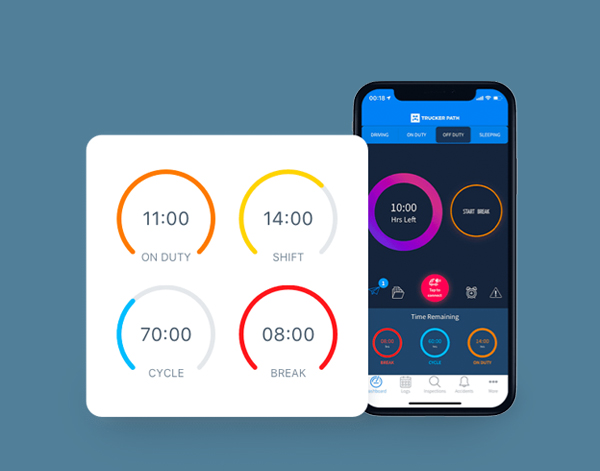
In line with the above, an update to Trucker Path’s ELD Pro has also been rolled out. We urge all Trucker Path ELD Pro users to update their application in either Google Play Store or the Apple App Store to take advantage of the new rules.
By Trucker Path


How to Start a Trucking Company
[p]Wondering how to start a trucking company and earn more money? There are several steps and a few guidelines to follow. [/p]
[h2] How to Start a Trucking Company[/h2]
[p]Deciding to start a trucking company is a great idea and the timing is right. <a href="https://truckerpath.com/blog/trucking-industry-trends/">Trucking industry trends</a> expect freight revenue to grow by 75 percent over the next nine years and with the trucking industry eclipsing over $726.4 billion in revenue for 2015, starting a trucking company now can be extremely lucrative. The trucking industry serves as a pillar in keeping things going and as long as people have demand for products, moving freight will be necessary for years to come.[/p]
[p]Don't be intimidated by the larger trucking companies with thousands of truck drivers and investors to provide capital. 90 percent of trucking companies are small fleets of six trucks or less so there's space in the industry for you to learn how to start a trucking company.[/p]
[h2] 1. Apply for Trucking Authority - Trucking Company Forms[/h2]
[p]Paperwork, documentation, and forms. They're tedious and might seem redundant but are necessary for you to get your trucking company started and earn <a href="https://truckerpath.com/blog/trucking-authority/">trucking authority</a>.[/p]
[p]If you haven't already been assigned a US DOT number, you will need to register for a DOT number form before you can apply to obtain trucking authority. Keep in mind the old [a href="https://www.fmcsa.dot.gov/registration/form-mcs-150-and-instructions-motor-carrier-identification-report"]MCS-150 form[/a] is now only for updating existing US DOT number and not for obtaining a US DOT number.[/p]
[p]To get a US DOT number you will need to use the new [a href="https://portal.fmcsa.dot.gov/UrsRegistrationWizard/"]Unified Registration System[/a]. The processing time can take 20-25 business days according to the FMCSA.[/p]
[p]If you already have a US DOT number and wish to apply for operating authority you can do so by [a href="http://li-public.fmcsa.dot.gov/LIVIEW/PKG_REGISTRATION.prc_option"]completing this registration form[/a] and paying the associated $300 fee.[/p]
[h2] 2. Choosing a Process Agent[/h2]
[p]You will need to choose a process agent who can represent you in regards to court papers. You will need to have a process agent for each state your trucking company operates in. They are used if there ever is an issue where court papers are to be served to your trucking company in a state other than the state your company is registered in.[/p]
[p]The FMCSA has a [a href="https://www.fmcsa.dot.gov/registration/process-agents"]list of process agents to choose from here[/a]. The process agent is responsible for completing [a href="https://www.fmcsa.dot.gov/sites/fmcsa.dot.gov/files/docs/registration/1996/boc-3-1-18-2017.pdf"]Form BOC-3[/a] on behalf of your trucking company.[/p]
[h2]3. Truck Insurance[/h2]
[p]Once you've established your trucking company you will need to make sure that it's properly insured. Liability insurance is required for trucking companies to cover potential damages or injuries caused by operating a commercial vehicle.[/p]
[p]Shop around and get several quotes before making a decision on which insurance provider is best for your trucking company. [a href="https://www.fmcsa.dot.gov/registration/insurance-requirements"]Here is a detailed overview of the FMCSA insurance requirements[/a] to help get you started.[/p]
[giphy]<iframe src="https://giphy.com/embed/3o6Zt2iHqqrjNlbPS8" width="480" height="270" frameBorder="0" class="giphy-embed" allowFullScreen></iframe>[/giphy]
[h2]4. Buying or Leasing a Truck[/h2]
[p]When starting your trucking company you can buy or lease trucks depending on what suits your needs best. If you have the working capital upfront to cover the cost and want to operate a small fleet with a few trucks, buying several trucks at once from a dealer might result in a discounted price per vehicle.[/p]
[p]You can also look into leasing trucks which often times keeps the monthly costs down and can even have a lease-to-own option available. However, there are usually restrictions that apply to leasing that vary by dealer. You will want to take the time to search and compare dealer options and offers before choosing.[/p]
[p]Lastly, there is also the option to purchase used trucks which can help save you upfront but can be costly down the line. You may find a used truck that is a few years old with over 400,000 miles on it for $40,000 to $50,000 less than a new one.[/p]
[p]It might be a great deal but remember, on average, truck repairs cost an estimated $15,000 annually according to the ATRI and with used trucks, that number can be even more.
[/p]
[h2]5. Choosing the Right Truck and Trailer Equipment [/h2]
[p]
Choosing the correct equipment to haul <a href="https://truckerpath.com/blog/types-of-truck-freight/">truck freight</a> can have a tremendous impact on your trucking companies earning potential. Although freight rates fluctuate week-to-week, typically flatbed truck loads pay the highest rate on average.
[/p]
[p]
That is not to say that a reefer, van or step deck load won't ever pay a better rate. Rather it's just an overall average to consider before choosing the equipment type for your truck. Keep in mind that location also plays a major factor in determining freight rates.
[/p]
[p]<strong>Looking ahead</strong>: when you're trucking company is set up, you can find truck freight to haul on free load boards like <strong>Truckloads</strong>. Customize your truck load searches by <a href="https://truckerpath.com/blog/what-is-deadhead/">deadhead</a> location and the trailer equipment type for you. [/p]
[video id="snyBYpnuhWw"]
[h2] 6. International Registration Plan (IRP)[/h2]
[p]
By registering your vehicle through the IRP in your home state, you will be allowed to haul interstate loads as well as freight through Canada without having to worry about additional registrations. You will be provided an apportioned license plate and cab-cards now display all jurisdictions that you cover.
[/p]
[p]
The IRP registration fee for your apportioned plate will vary depending on state and vehicle weight, but typically the price ranges from $1,500 - $2,000. [a href="https://www.fhwa.dot.gov/about/webstate.cfm"]Use this list to determine what the cost will be for your state.[/a]
[/p]
[button-green href="http://vip.truckerpath.com/gold-member?utm_source=email&utm_medium=how-to-start"]Try Trucker Path Premium FREE for 14 Days[/button-green]
Types of Truck Freight [h2] Types of Truck Freight [/h2]
[p] There are many types of truck freight, each with a unique yet important role for moving different truck freight across the nation and load boards make it easy to find truck freight.
[/p]
[h2] Truck Freight [/h2]
[p]Truck freight is responsible for <a href="https://truckerpath.com/blog/trucking-industry-trends/">70 percent of all cargo that is transported in America</a>. That's over 10 billion tons each year![/p]
[p]Companies ship a variety of truck freight ranging in size, value, and contents. Ever wonder how ice cream somehow stays frozen when shipped across America or how huge machines make their way from a factory in Kentucky to a warehouse in California? It's all thanks to truck freight and the specific trailers and equipment necessary for the dedicated men and women of the trucking industry to haul the freight.
[/p]
[h2] Find Truck Freight on Truckloads Load Board[/h2]
[p]If you have <a href="https://truckerpath.com/blog/trucking-authority/">trucking authority</a> and are looking for truck freight loads you can use Truckloads free load board to customize your truck freight search and filter results that are the best fit for you. You can choose from 11 different trailer equipment types when searching for loads and search based on location, date, deadhead and even load weight. [/p]
[p]Use Truckloads web version or download the app and view over three million loads per month including unlimited access to premium loads as well as the ability to call a broker right from the app from anywhere. Stay loaded and know where nearby truck freight loads are with Trucker Path Truckloads![/p]
[button text="Try Truckloads for Free" href="https://truckerpath.com/truckloads/free-load-board/?utm_source=Blog&utm_medium=truckfreight&utm_campaign=Aug10" width="250px"]
[video id=snyBYpnuhWw]
[h2] Flatbed Trucks [/h2]
[p]Flatbed trucks are truck freight with a trailer that is leveled off and open with no sides or top, hence the name flatbed. This design makes it easier to load and unload large freight that otherwise couldn't fit into a standard 53-foot trailer. Truck freight is secured on flatbeds with straps, tarps and other locking devices to keep the load tied down. [/p]
[p]
Generally, flatbed trucks are used as truck freight for construction goods, large manufactured parts, and various oversized loads. An oversized load is any truck freight that is over 8.5 feet wide. This type of truck freight requires red flags and lights to help identify the oversized truck freight on the road.
[/p]
[img src="/uploads/2017/08/Flat-Bed-Final.png" alt="flatbed truck freight"]
[h2] Step Deck Trucks[/h2]
[p] Similar to flatbed trucks, step deck trucks also have a level surface that is open. The main difference between truck freight with a flatbed and step deck truck is that the step deck truck will have a lower position set closer to the ground. This helps truck freight that is taller sit lower to avoid potential hazards such as bridge clearances. [/p]
[img src="/uploads/2017/08/Step-Deck-Final.png" alt="step deck truck freight"]
[h2] Reefer Trucks [/h2]
[p]Also known as refrigerated trucks, reefer trucks are truck freight with a trailer that is temperature controlled in order to haul goods that must remain within a certain temperature zone at all times such as food. While reefer trucks commonly haul loads that include perishable foods, they also transport things like pharmaceuticals, chemicals, and other <a href="https://truckerpath.com/blog/hazmat-transportation/">hazmat materials</a>, though not at the same time of course. [/p]
[img src="/uploads/2017/08/Reefer-Final.png" alt="reefer truck freight"]
[h2] Dry Vans [/h2]
[p]Dry vans are the most common truck freight. They are typically a standard 53-foot trailer like the ones you see connected on the back of a semi-truck on the interstate that might say Walmart, Target or Schneider. Although not an actual van, they are the most common truck freight to haul goods, providing a trailer that is sealed and protected from the elements. [/p]
[p]
Look around your home and chances are the things you see were hauled by dry van truck freight. Dry van loads are used by a variety of companies looking to ship anything from consumer products, home goods, electronics, and a variety of other products that don't require refrigeration.
[/p]
[p]
Choosing to haul truck freight with a dry van can result in an increased opportunity in available freight to haul due to the volume of truck freight shippers have for dry vans. [/p]
[img src="/uploads/2017/08/Van-Final.png" alt="Dry Van freight"]
[h2] Other Types of Truck Freight [/h2]
[ul] There are several other truck freight loads you'll find as well, including:
[p]
[li]Auto Carrier - trailer that hauls automobiles and other vehicles[/li]
[img src="/uploads/2017/08/Auto-Trailer-Final.png" alt="auto carrier freight"]
[li] Dump Trailer - trailer with a lift to incline and allow for loads to be dumped [/li]
[img src="/uploads/2017/08/dump-trailer-Final.png" alt="dump trailer freight"]
[li] Tanker - trailer that is a long cylinder shape hauling liquids like fuel[/li]
[img src="/uploads/2017/08/Tanker-Final.png" alt="tanker truck freight"]
[/ul]
Trucker Spotlight - Jerry McCallister <em>The Trucker Spotlight series explores the lives of truckers and their journey to make a difference in their industry. We interview different truck drivers to understand some life lessons that make them who they are today. We also learn more about their motivations, and the problems that they encounter on the job. We also tackle how Trucker Path's solutions helped them with what they do. The information that they provide helps inform other people who are looking to delve into the trucking world.</em>
<h2></h2>
<h2></h2>
Today we are putting the spotlight on <strong>Jerry</strong>, who's a driver at FedEx Custom Critical. He also has a Youtube channel called, "Expediter Boogie”, where he talks about the types of things he does in expediting. Let's get to know more about Jerry and his "expeditions".
<h2></h2>
<h3><strong>How long have you been trucking?</strong></h3>
I have been driving for 11 years all with FedEx Custom Critical and the last 4 of those years I’ve been with HyField Trucking who is a fleet owner leased onto FedEx Custom Critical.
<h2></h2>
[img src="https://truckerpath.com/uploads/2020/08/jm2.jpeg" alt=""]
<h2></h2>
<h3><strong>What made you decide to be a trucker?</strong></h3>
My mom influenced that decision, she had been driving for 14 years OTR and i was tired of sitting in a cubicle doing the same thing over and over and needed the change. After researching trucking I landed on expediting and thought this would be way better than doing normal long haul. It seemed more exciting and paid more for less work.
<h2></h2>
<h3><strong>In the years that you have been driving, what are the significant changes that you've noticed in the trucking industry?</strong></h3>
I have noticed many changes, rates dropping compared to earlier years, implementation of electronic logs, trucks getting smarter like the Tesla Truck and technology used on the road getting better. I am happy for the technology changes i believe technology is a driving force to help us truckers in our daily jobs.
<h2></h2>
<h3><strong>What's the story of you becoming "Expediter Boogie"? Do you also have a name for your truck?</strong></h3>
I wanted to start a YouTube channel to talk about the types of things we did in expediting and places we go. Also a lot of people didn’t know what expediting was, so i started the channel. When thinking about what i would call it, I had been called Boogie all my life by my family so i added Expediting to it and came up with The Expediter Boogie.
<h2></h2>
We just got a brand new truck and haven’t thought of a name yet so we are taking suggestions.
<h2></h2>
<h3><strong>Are there times of loneliness while driving? How do you deal with it? </strong></h3>
I don’t get lonely on the road. I drive team with my partner of 10 years so i always have someone to talk to and share my day with. I am also a mentor with the company i drive with HyField Trucking. I am always on the phone with my mentees helping them and teaching them the ways of expediting. So I am rarely ever lonely I just stay busy.
<h2></h2>
[img src="https://truckerpath.com/uploads/2020/08/jm4.jpeg" alt=""]
<h2></h2>
<h3><strong>As a trucker, what are the current struggles in this COVID19 pandemic?</strong></h3>
Definitely the biggest struggle we are facing right now is dealing with the slower freight which in turn is making the rates lower. The other main struggle I find in dealing with Covid-19 is people not taking it serious enough. Not wearing mask and seeming to not care. It makes our job more difficult and having to be out here risking out health on a daily basis to help keep the country moving I just wished more people had more compassion to try and help do their part.
<h2></h2>
<h3><strong>What are your usual routes? Favorite scenic truck route?</strong></h3>
We don’t have a usual route, being with Fed Ex Custom Critical we run all 48 states and Canada. I would have to say my favorite area to drive through is I-70 in Colorado. that area is absolutely beautiful and I never get tired of seeing it.
<h2></h2>
[img src="https://truckerpath.com/uploads/2020/08/jm1.jpeg" alt=""]
<h2></h2>
<h3><strong>Weirdest or most unusual haul?</strong></h3>
At Fed Ex Custom Critical we haul everything from pharmaceuticals to explosives, we even haul priceless art at times. One of the coolest things we hauled was actual artifacts from the Titanic we transported between museums. Another great trip was when we moved 4 different inventions that were made by Benjamin Franklin. You never know what you are going to haul in expediting, which is what makes it fun it is always something different.
<h2></h2>
<h2></h2>
<h3><strong>How often do you use rest stops / truck stops? What are the things that you look for in a truck stop? Favorite truck stop meal?</strong></h3>
We park at truck stops all the time mostly utilizing Loves because that is where we fuel the majority of the time. I love the rewards we get through Loves and it is nice to see them adding more services to their locations. I don’t have a favorite truck stop meal due to we have a custom sleeper and tend to do all our cooking in the truck.
<h2></h2>
<h3><strong>What are the common troubles or problems you encounter while trucking? Pet peeves?</strong></h3>
I would say the usual things all us truckers have to deal with like traffic, shippers not being ready on time.
<h2></h2>
I would say my biggest pet peeve while driving is cars cutting you off. Most of them don’t realize just how close they come to causing an accident. It’s not easy stopping this truck quickly and when we have to it causes more headache for us cause everything in our sleeper goes flying.
<h2></h2>
<h3><strong>We're glad that you use the Trucker Path on your day to day trucking. What features do you enjoy the most?</strong></h3>
The biggest thing we enjoy about Trucker Path is the ability to see what truck stops are coming up along our route as well as seeing what other drivers are reporting about upcoming weigh stations and whether or not they are closed or open. Reading the reviews from other drivers is also a big help, like if we want to stop at a Wal-Mart. Being able to quickly see if we are allowed to park there or if we need to talk to the manager is a big help.
<h2></h2>
<h3><strong>What are some tips that you would like to share for aspiring truckers?</strong></h3>
I would say do your best and put forth the effort. Don’t just look at trucking as a job, think of it as a career. Don’t fall into all the typical stereotypes of truckers. Put on decent clean clothes when dealing with a shipper or receiver, don’t litter like a lot of drivers do, and just try to take it to the next level. Be proud of what you do on the roads by being a professional driver and keeping America running.
<h2></h2>
<h3><strong>Where can we watch your videos?</strong></h3>
You can find me on my Youtube Channel, <a href="https://www.youtube.com/channel/UCksmX2wd6Lzo6zM4pyaB_ew">Expediter Boogie</a>.
<h2></h2>
<iframe width="560" height="315" src="https://www.youtube.com/embed/Vl1vV2b_1wE" frameborder="0" allow="accelerometer; autoplay; encrypted-media; gyroscope; picture-in-picture" allowfullscreen></iframe>
<h2></h2>
<h2></h2>
<h4>By Aldous Aldwin</h4>
<h3></h3>
<h3></h3>